
HOW OLD IS MY PIANO?
FREE PIANO IDENTIFICATION & SERIAL NUMBER LOOKUP TOOL
What Year Was My Kurtzmann Piano Made?
(Serial Number Lookup + Guide)
DIRECT ANSWER
C. Kurtzmann & Company pianos can usually be dated from their serial number. The number is normally found on the cast-iron plate beneath the top lid of an upright, or on the plate near the tuning pins of a grand piano.
Kurtzmann used a continuous numerical sequence through its independent Buffalo production. The brand was acquired by Wurlitzer in 1935, and instruments made during the final 1935–1938 period belong to that transition era.
KURTZMANN PIANO SERIAL NUMBER LOOKUP TOOL
Your piano was manufactured in .
Would you like a free, personalized certificate documenting your piano's age? Perfect for keeping in your files or your piano bench.
No email or login needed, just click and print!
Sample Certificate

Want to know how much this piano is worth?
Get a professional piano valuation report with its estimated value, place of manufacture, and other important details—useful for insurance, estate records, and buying or selling a piano. Your report also includes a printable valuation certificate.
If your piano has little or no market value, you won’t be charged.
Sample Valuation Report — Page 1

WHERE IS THE SERIAL NUMBER ON A KURTZMANN?
GRAND PIANOS
Fully open the grand lid and slide the music desk forward off its wooden tracks.
Look down at the gold cast-iron plate over the soundboard.
The number is stamped directly on the frame surface near the tuning pins or on the soundboard wood beneath the strings – typically, close to the Kurtzmann emblem or the bass bridge.


KURTZMANN UPRIGHT PIANOS
Lift the top lid of the piano cabinet.
Look down directly inside at the gold-painted cast-iron plate.
The serial number is most frequently stamped on the top left or top center of the plate, often located near the tuning pins or indented into a small, unpainted rectangular window in the iron.
On early Kurtzmann uprights, the number may also be stamped into the top raw wood edge of the heavy back frame or case structure.
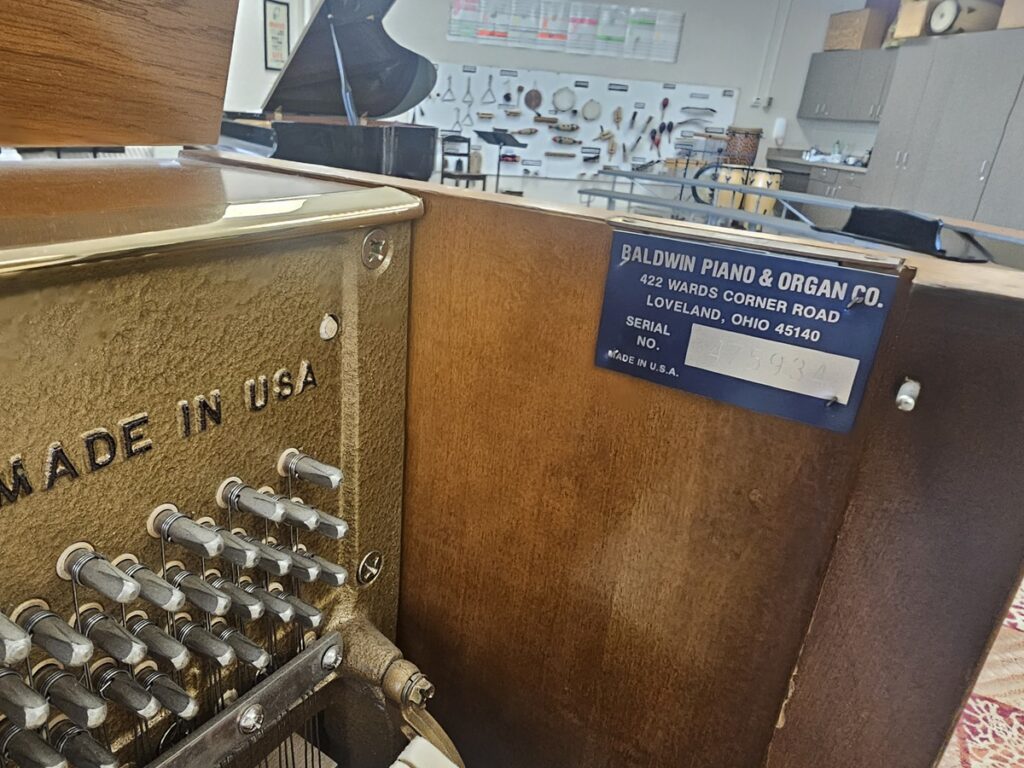
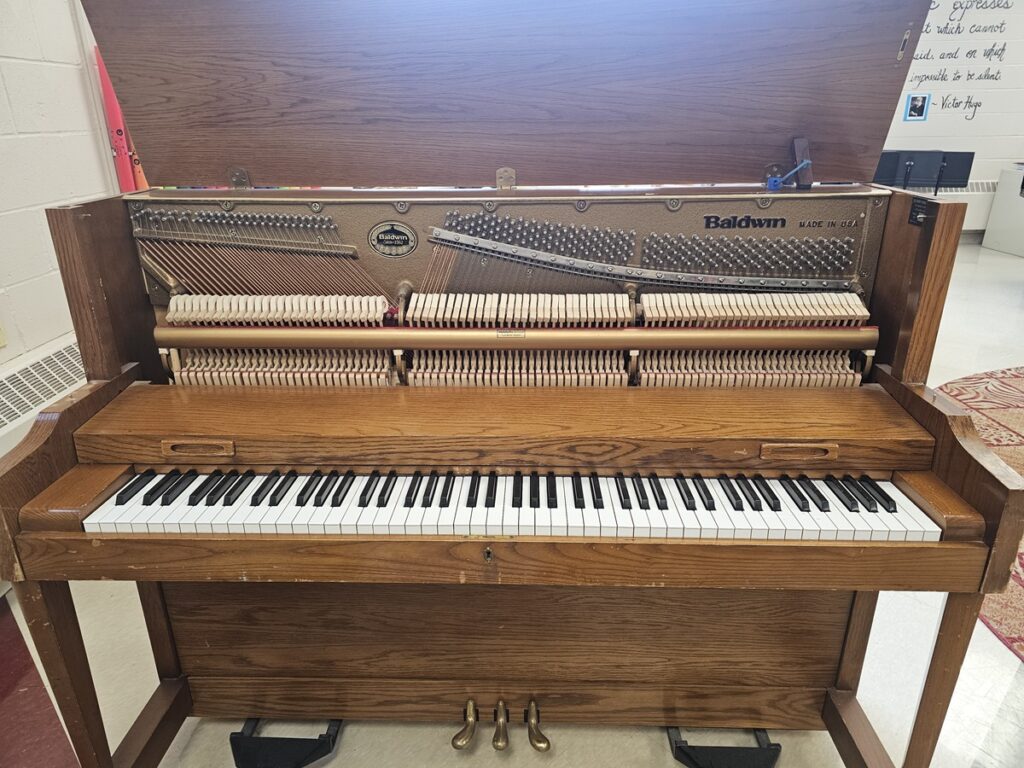
DO NOT USE THESE NUMBERS
Patent dates stamped on the plate or elsewhere in the piano.
Model letters or cabinet-style markings.
Action numbers or other numbers stamped on wood parts inside the piano.
WHAT A KURTZMANN SERIAL NUMBER CAN TELL YOU
A Kurtzmann serial-number lookup can usually establish the production year or a narrow production range and identify whether the piano belongs to the original Buffalo era or the later Wurlitzer transition.
It cannot identify the original dealer or owner, the exact delivery date, the cabinet veneer, or any rebuilding or restoration completed after the piano was made.
KURTZMANN PIANO HISTORY
C. Kurtzmann & Company was founded in Buffalo, New York, in 1848 by Christian Kurtzmann. The company built uprights, player pianos, and grand pianos before the Kurtzmann name was acquired by Wurlitzer during the Great Depression.
Kurtzmann began on Staats Street in Buffalo and later expanded to larger factories at Broadway and Elm.
The company was known for substantial cabinetry and premium mahogany and walnut veneers.
During the early 20th century, Kurtzmann produced player pianos and specialized scale designs, including the “Acoustigrande” line.
Wurlitzer acquired the Kurtzmann brand name and remaining assets in 1935, continued limited production under the name, and retired it in 1938.
Reviewed by Joe Kemple, Master Piano Technician, Burd and Sons Piano Service · Updated September 2026
Our database includes Kurtzmann piano serial numbers across all production eras and instrument types.
Copyright © 2019 – present, Burd and Sons Piano Service